Blog
Page 22 of 32
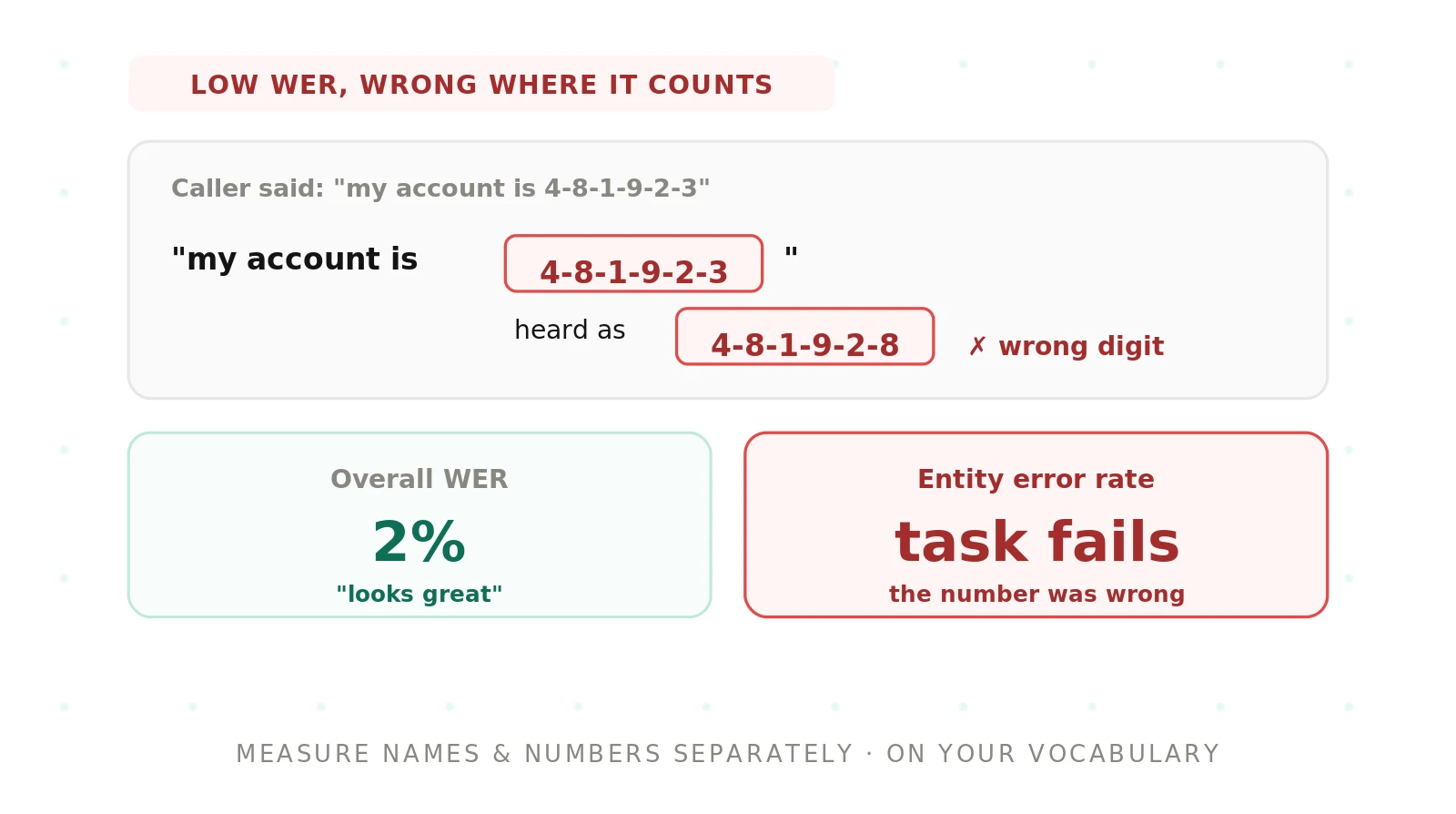
Evaluating STT for Names and Entities
Aggregate word error rate hides the errors that break calls: names, addresses, and account numbers. Here is how to measure STT entity accuracy well.
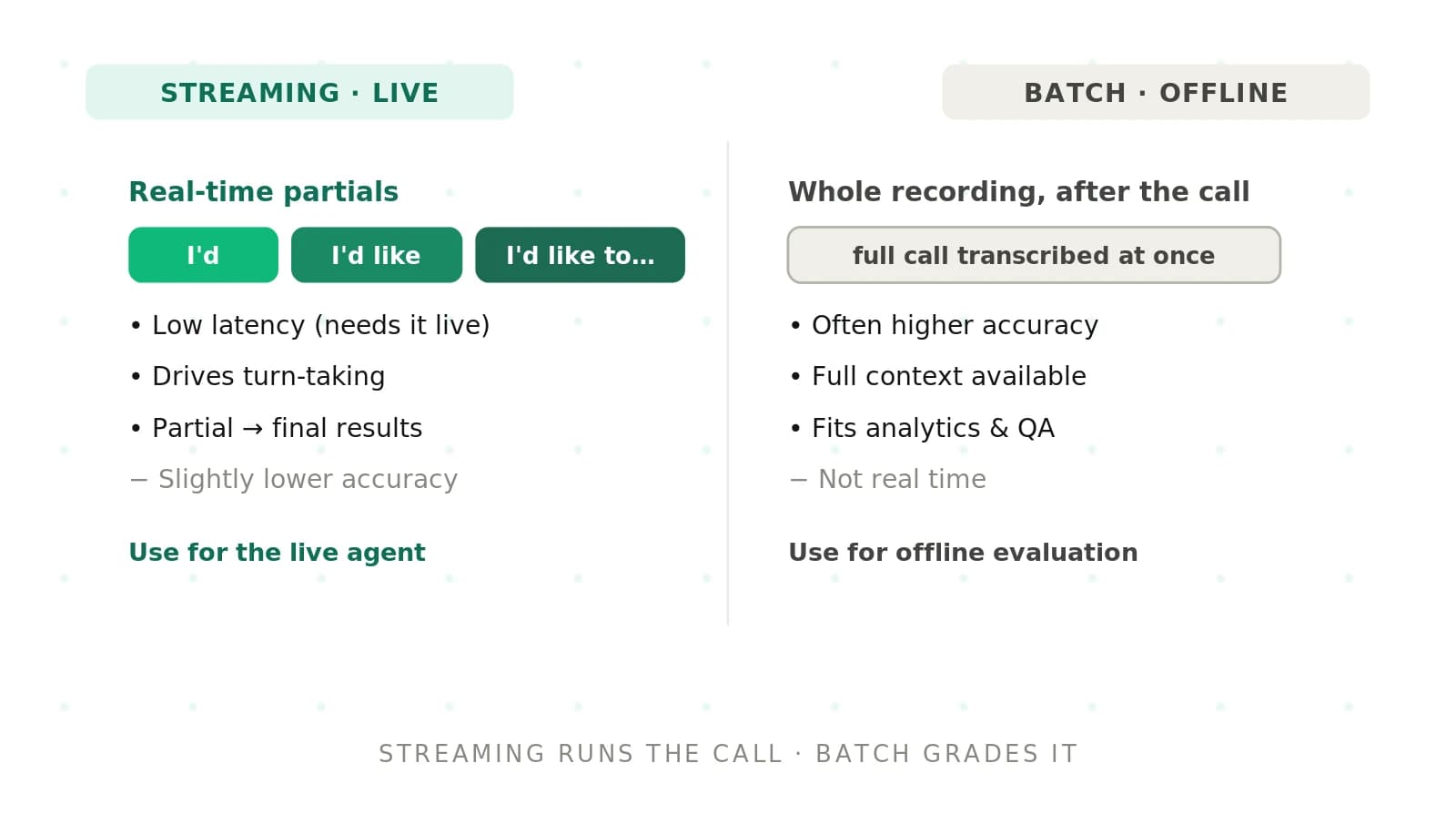
Streaming vs Batch STT for Voice Agents
Streaming STT gives low-latency partial transcripts for live turn-taking; batch STT reprocesses whole files for higher accuracy. Compare, then test both.
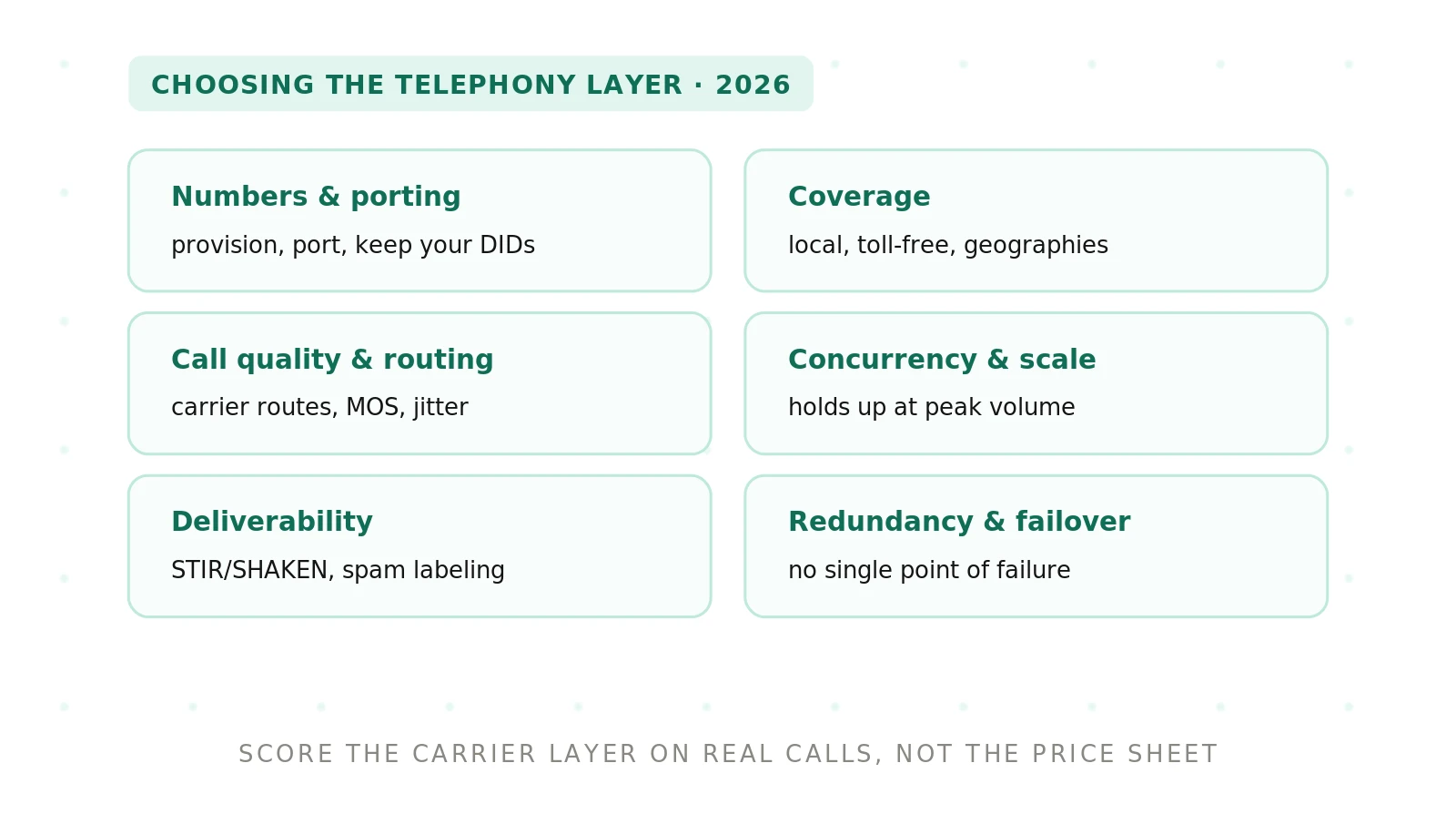
How to Choose Telephony for Voice Agents (2026)
How to choose the telephony layer for a voice agent in 2026: number porting, call quality, coverage, concurrency, and how to test carriers on real calls.
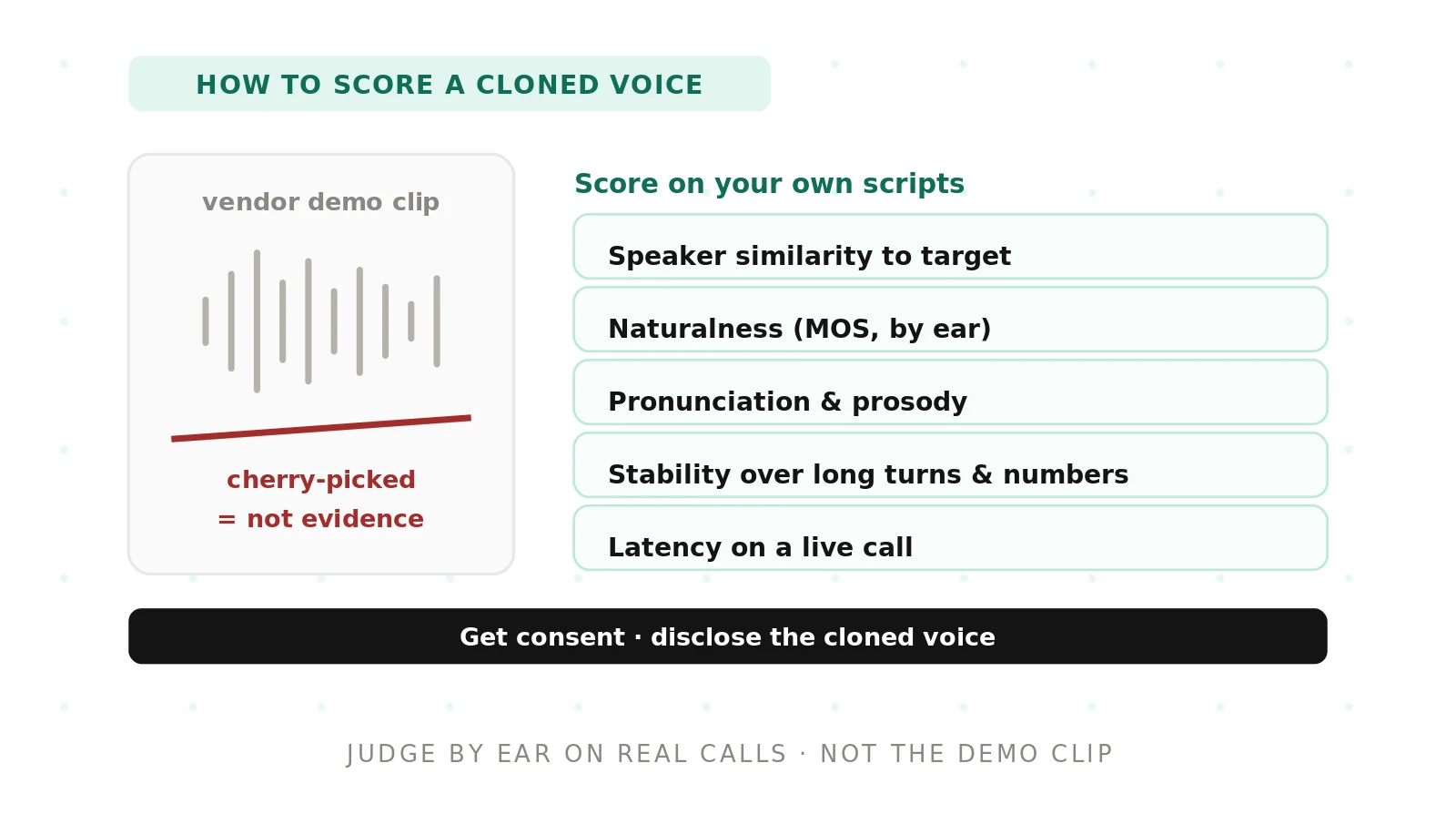
Voice Cloning Quality: How to Evaluate It
How to evaluate voice cloning for voice agents: speaker similarity, MOS, pronunciation, prosody, stability, emotion, and latency, judged by ear.
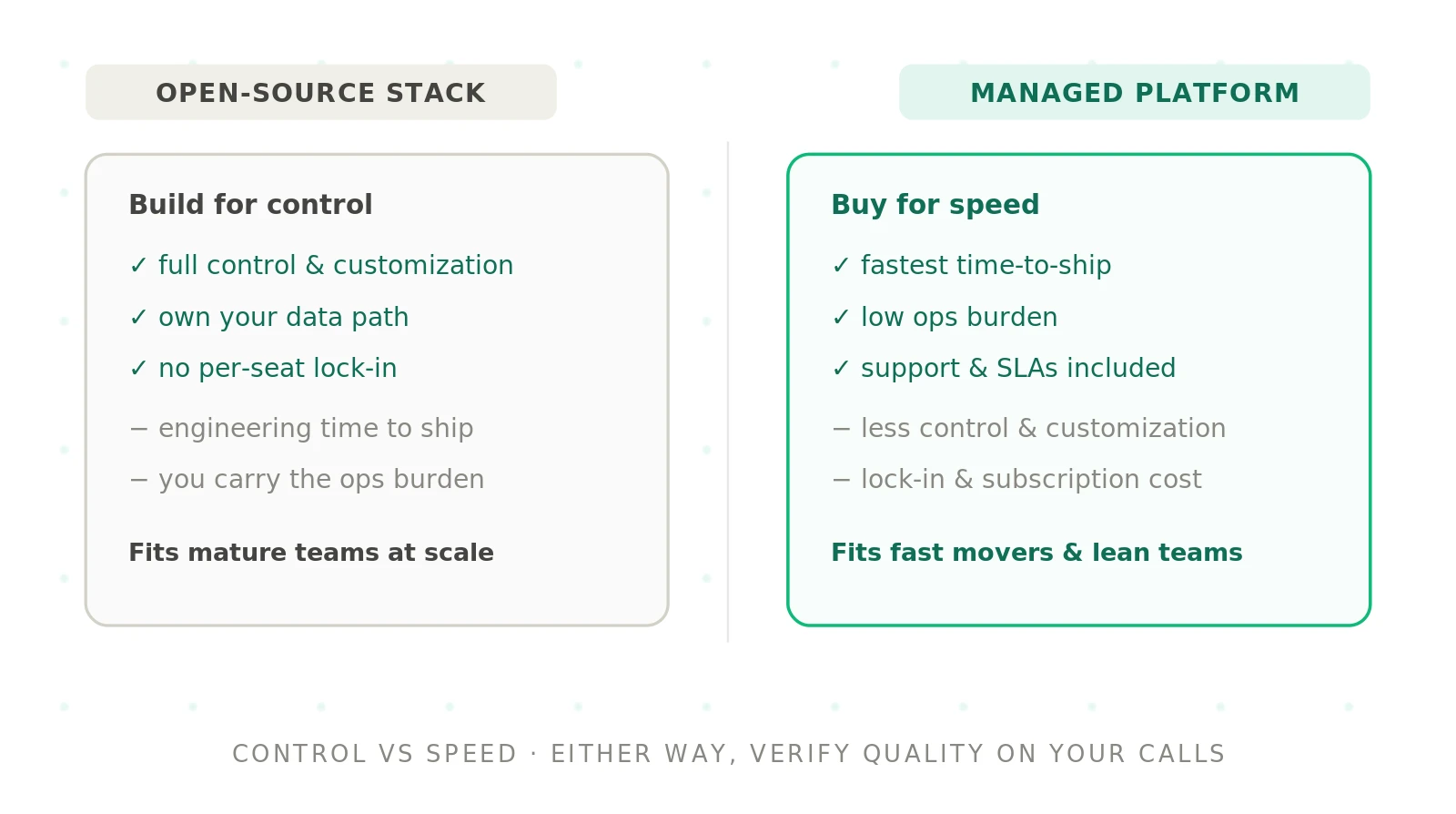
Open-Source vs Managed Voice Agent Stack
Open source vs managed voice agent stacks compared on control, time-to-ship, cost, ops burden, and lock-in, plus how to pick the right path fast.
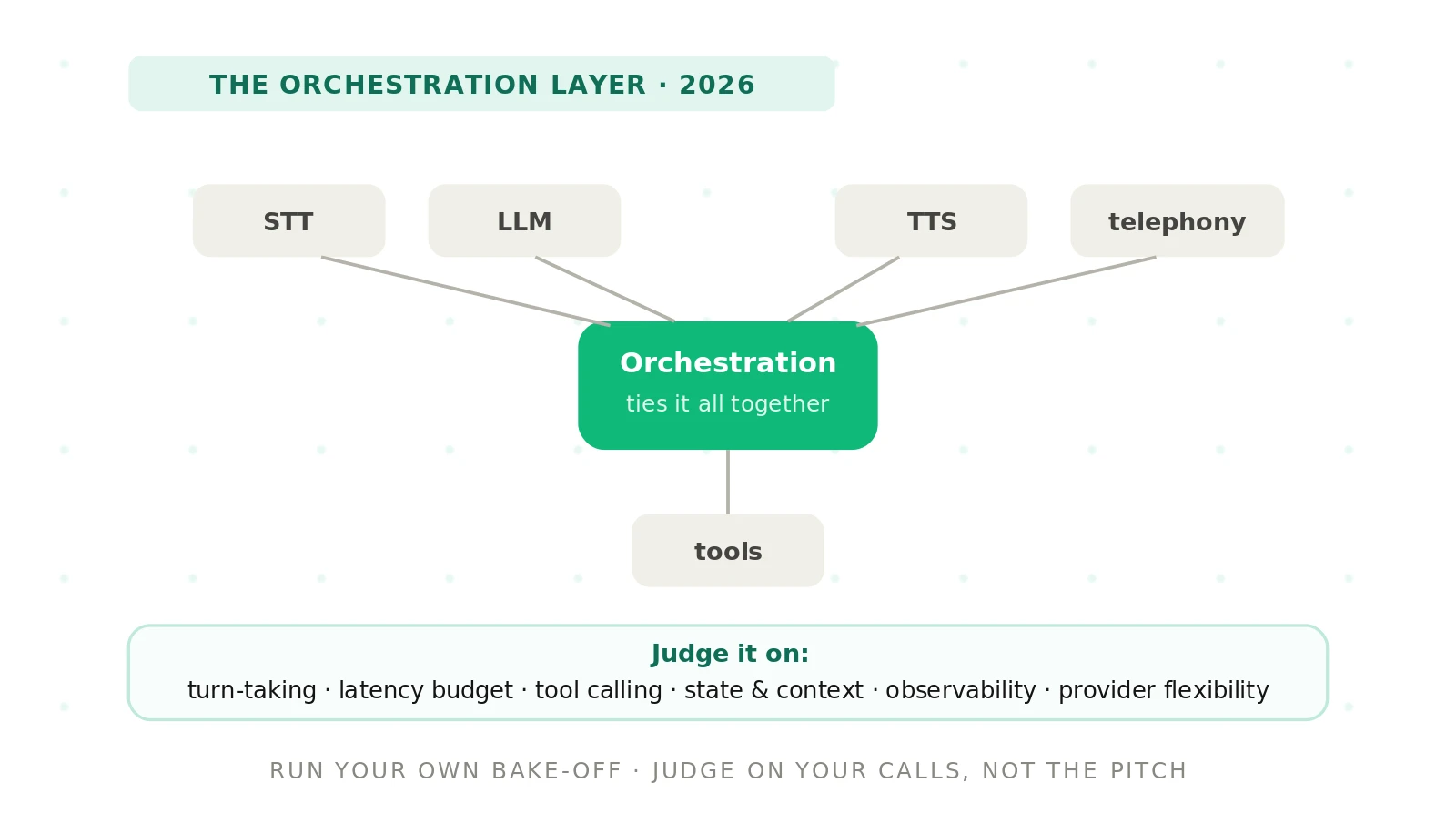
How to Choose a Voice Agent Orchestration Platform (2026)
How to choose the orchestration platform that ties STT, LLM, TTS, and telephony together in 2026 — the criteria that matter and how to test each.
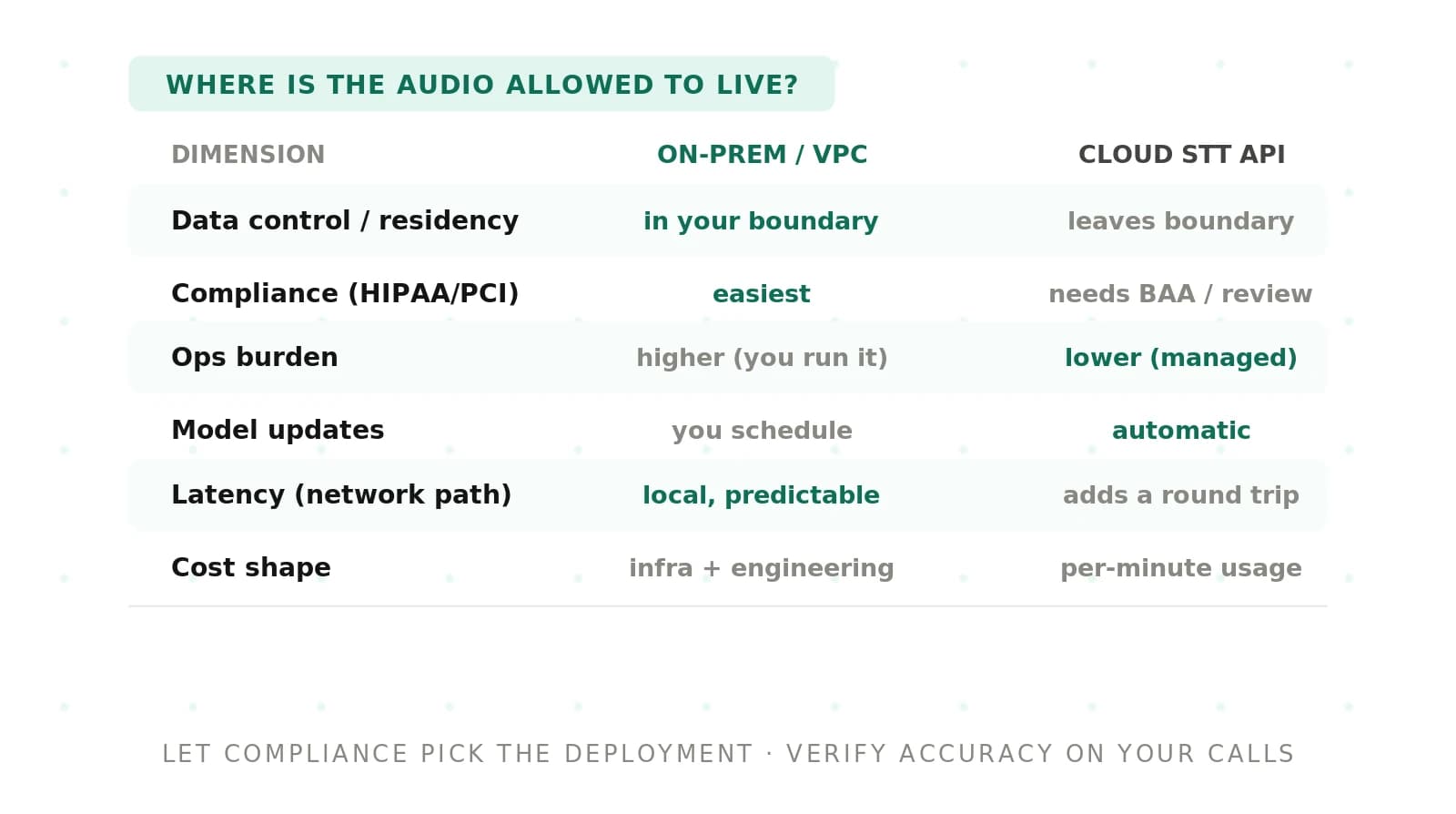
On-Prem vs Cloud STT for Regulated Voice Agents
On-prem STT keeps voice agent audio inside your network; cloud STT trades that control for speed. Here is how regulated teams choose, and how to verify it.
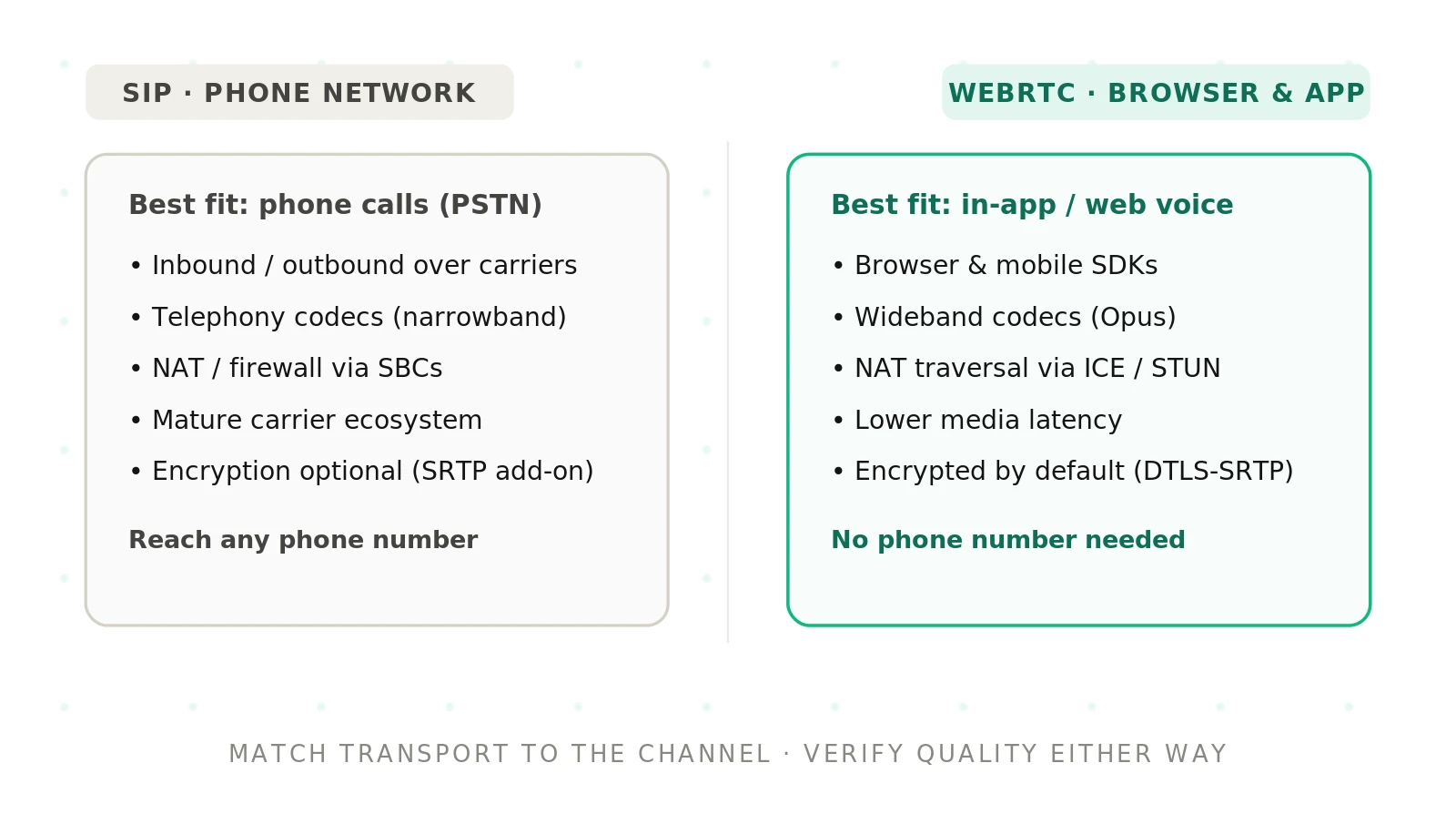
SIP vs WebRTC for Voice Agents: How to Choose
SIP connects the phone network; WebRTC connects browsers and apps. Compare latency, codecs, security, and best-fit use cases for your voice agent.
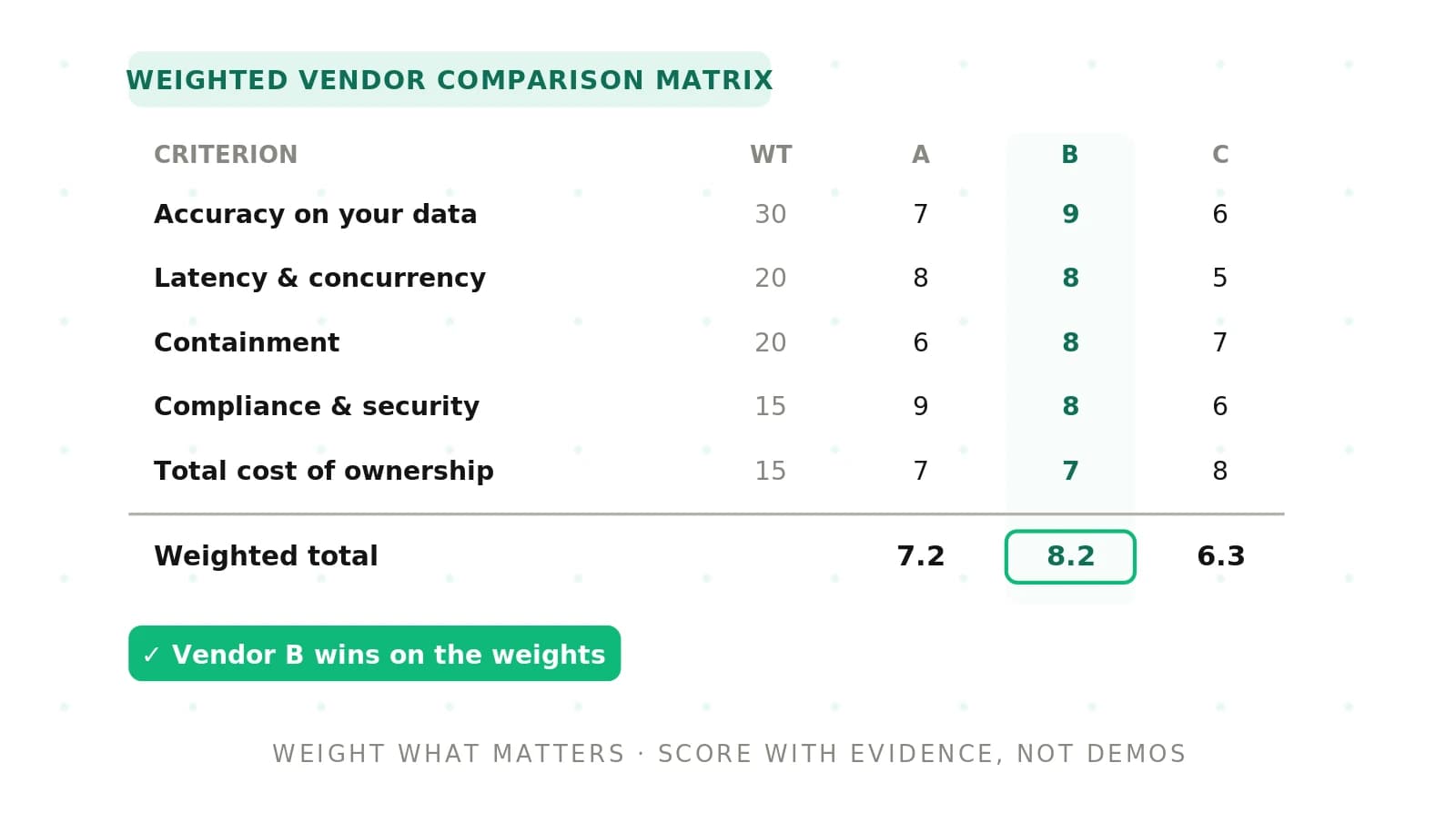
Voice Agent Vendor Comparison Matrix Template (2026)
A voice agent vendor comparison matrix template with weighted criteria, a scoring scale, and evidence-based columns for Vendor A, B, and C in 2026.