Blog
Page 11 of 14
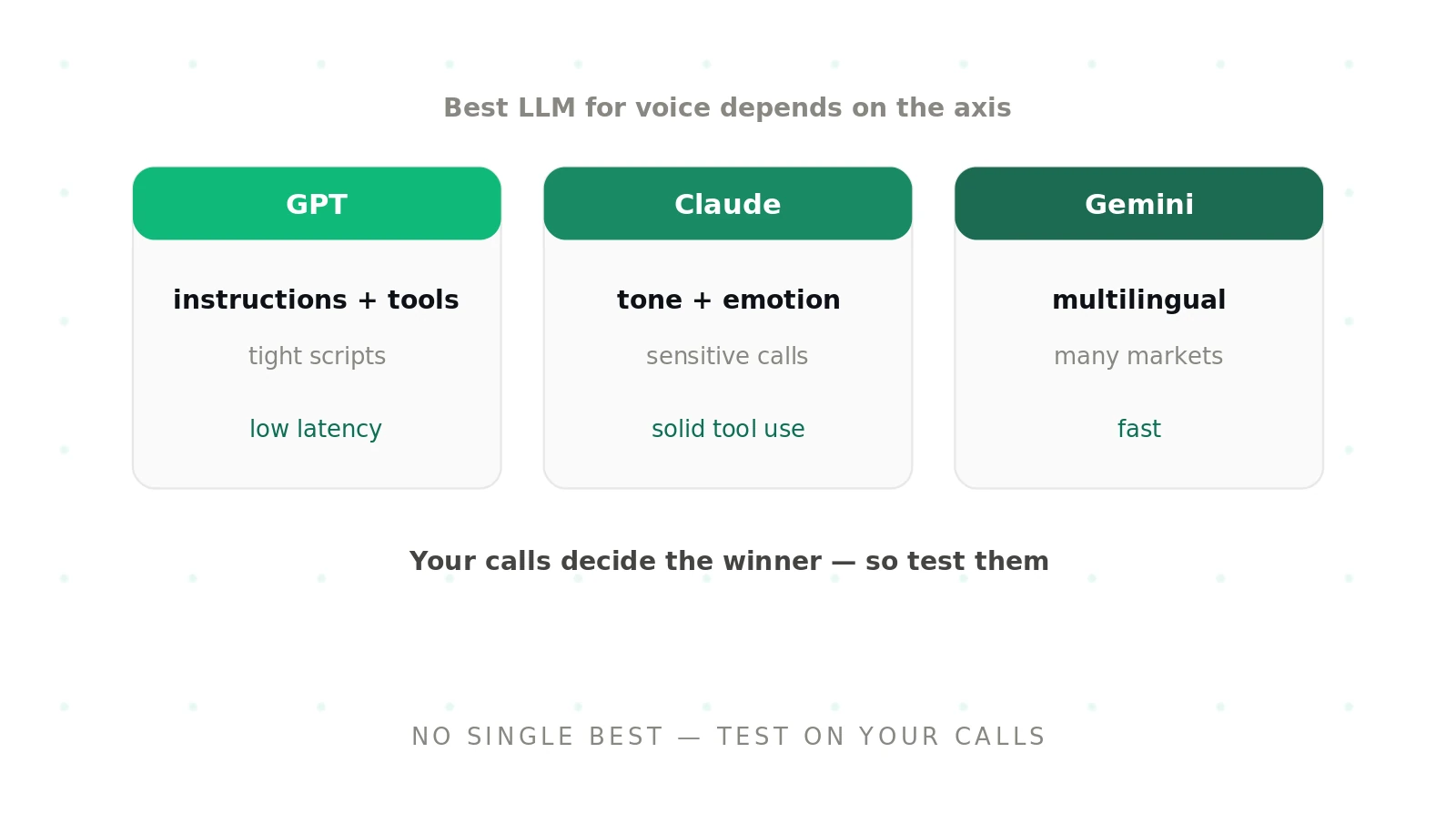
Best LLM for voice agents: how to choose
The best LLM for voice depends on latency, instruction following, and tool calling. Compare GPT, Claude, and Gemini, and learn how to choose.
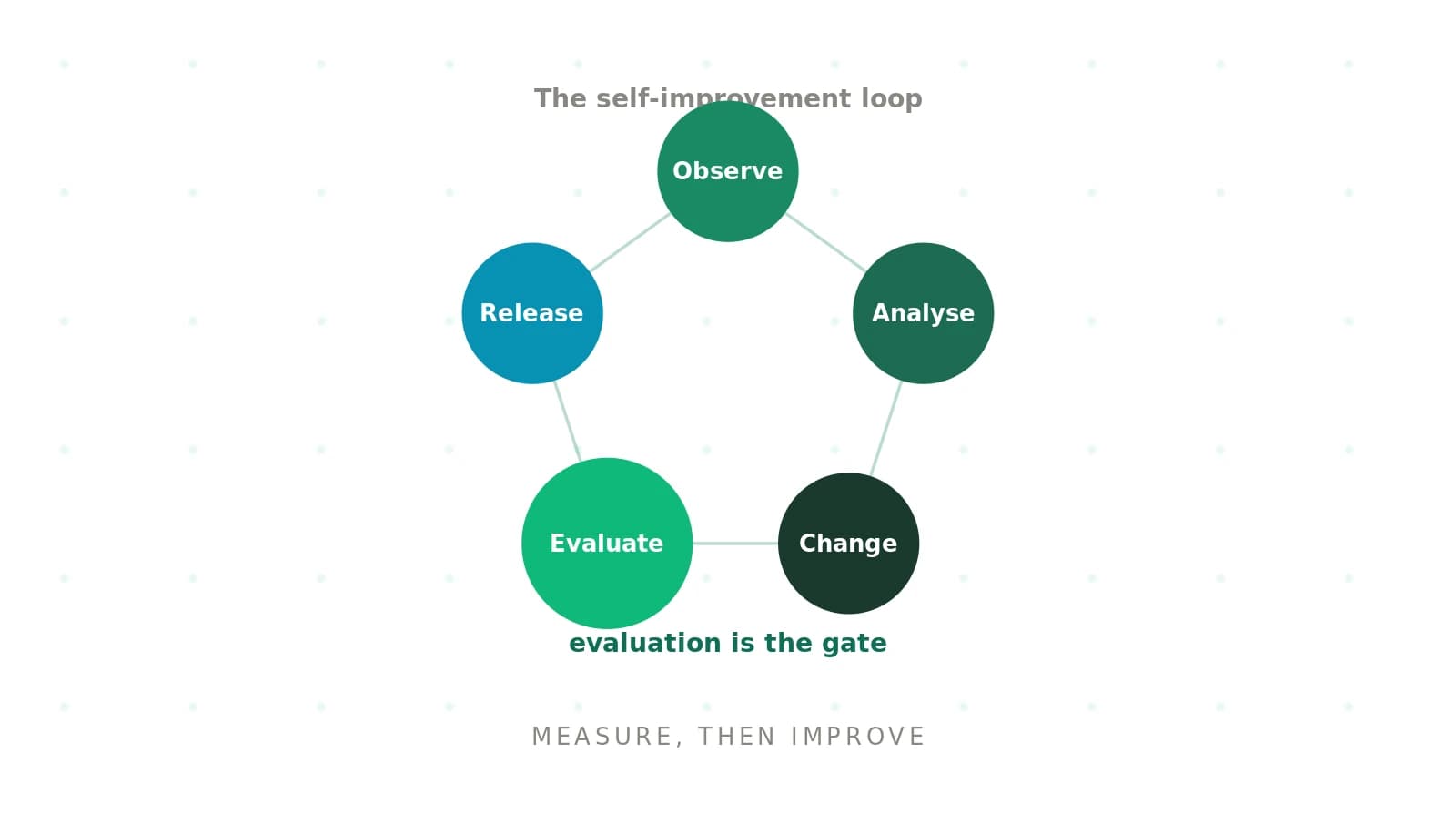
Self-improving voice agents: how feedback loops make agents better
Self-improving voice agents get better from production feedback. Learn how the loop works, where it differs from retraining, and how to keep it safe.
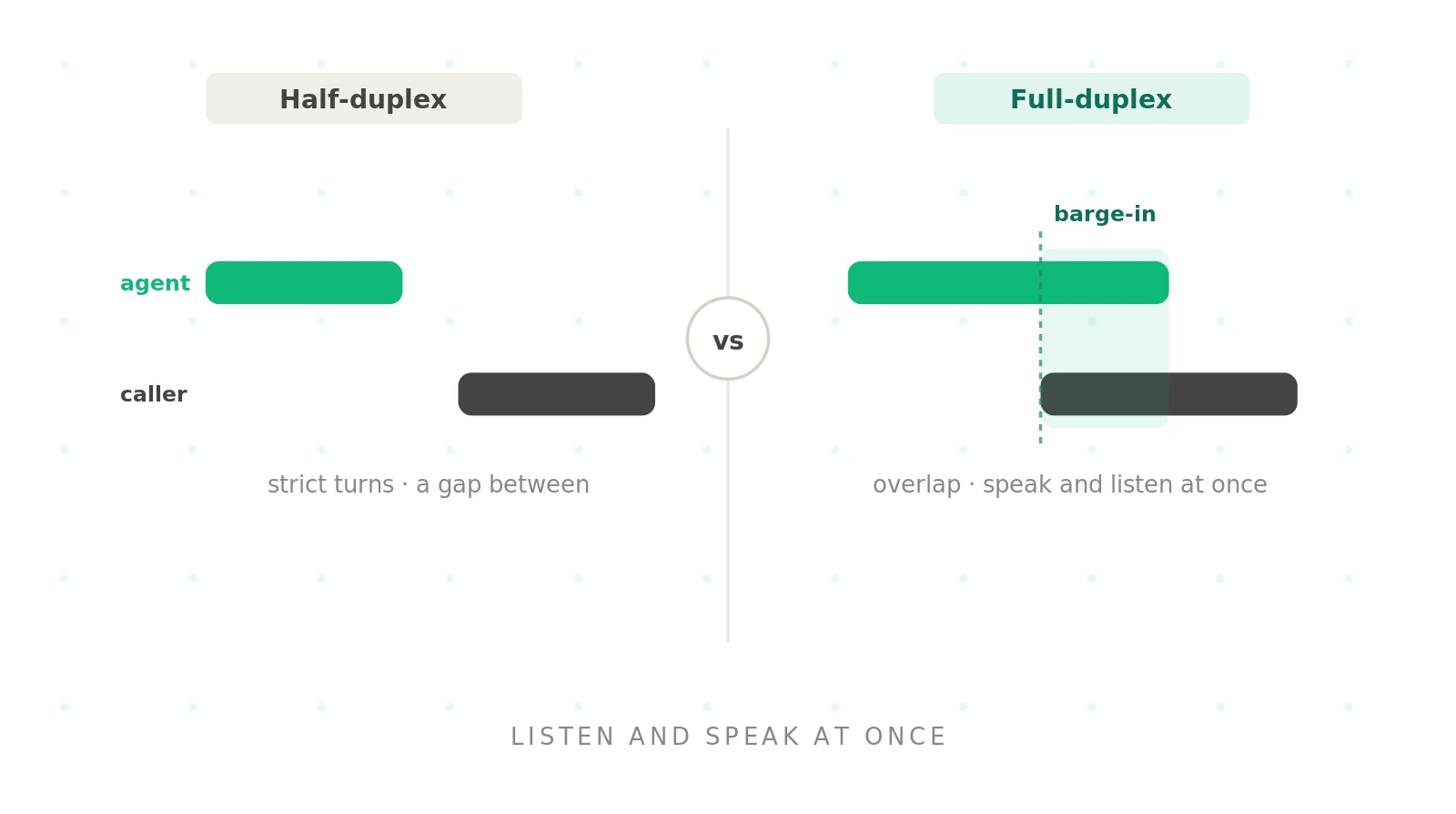
Full-duplex voice agents: how simultaneous speech changes voice AI
Full-duplex voice agents listen and speak at once, enabling barge-in and interruptions. Learn how they differ from half-duplex and how to test them.
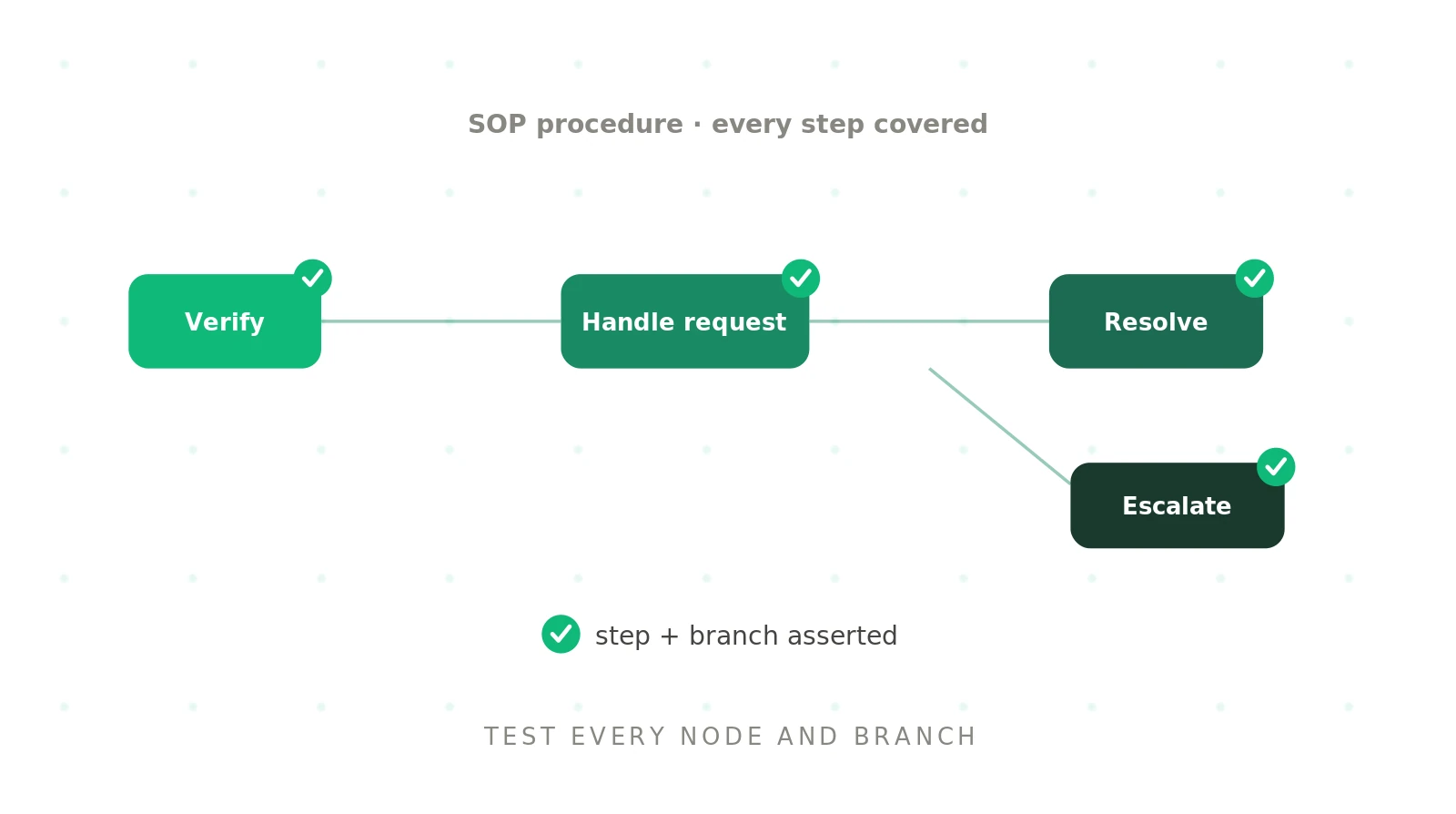
Testing SOP-based voice agents: how to verify procedure adherence
Testing SOP-based voice agents means verifying every step and branch of the procedure. Learn SOP adherence testing, step coverage, and metrics.
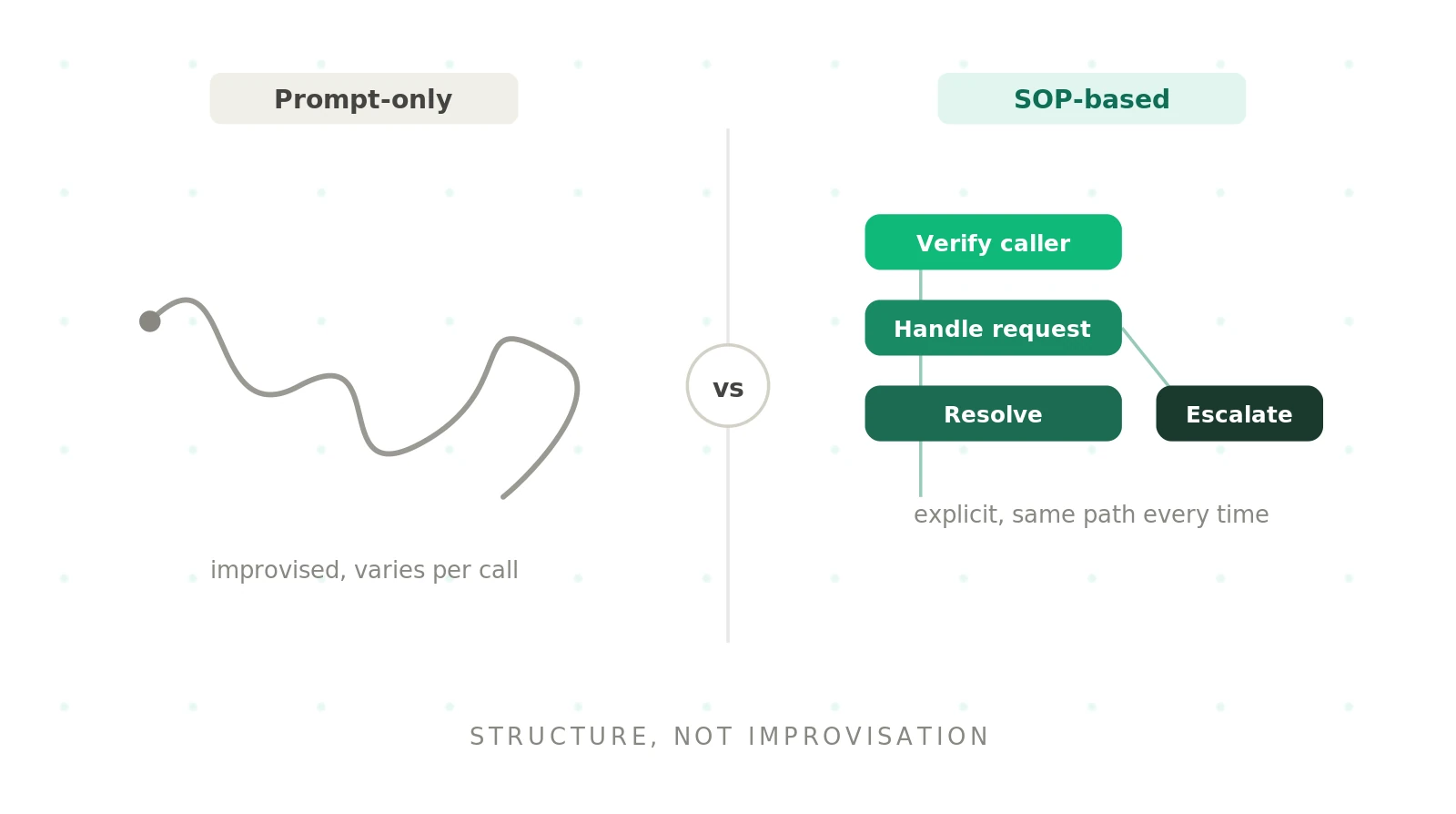
SOP-based voice agents: how standard operating procedures make agents reliable
SOP-based voice agents follow standard operating procedures instead of relying on a prompt. Learn how SOPs improve reliability, control, and testability.
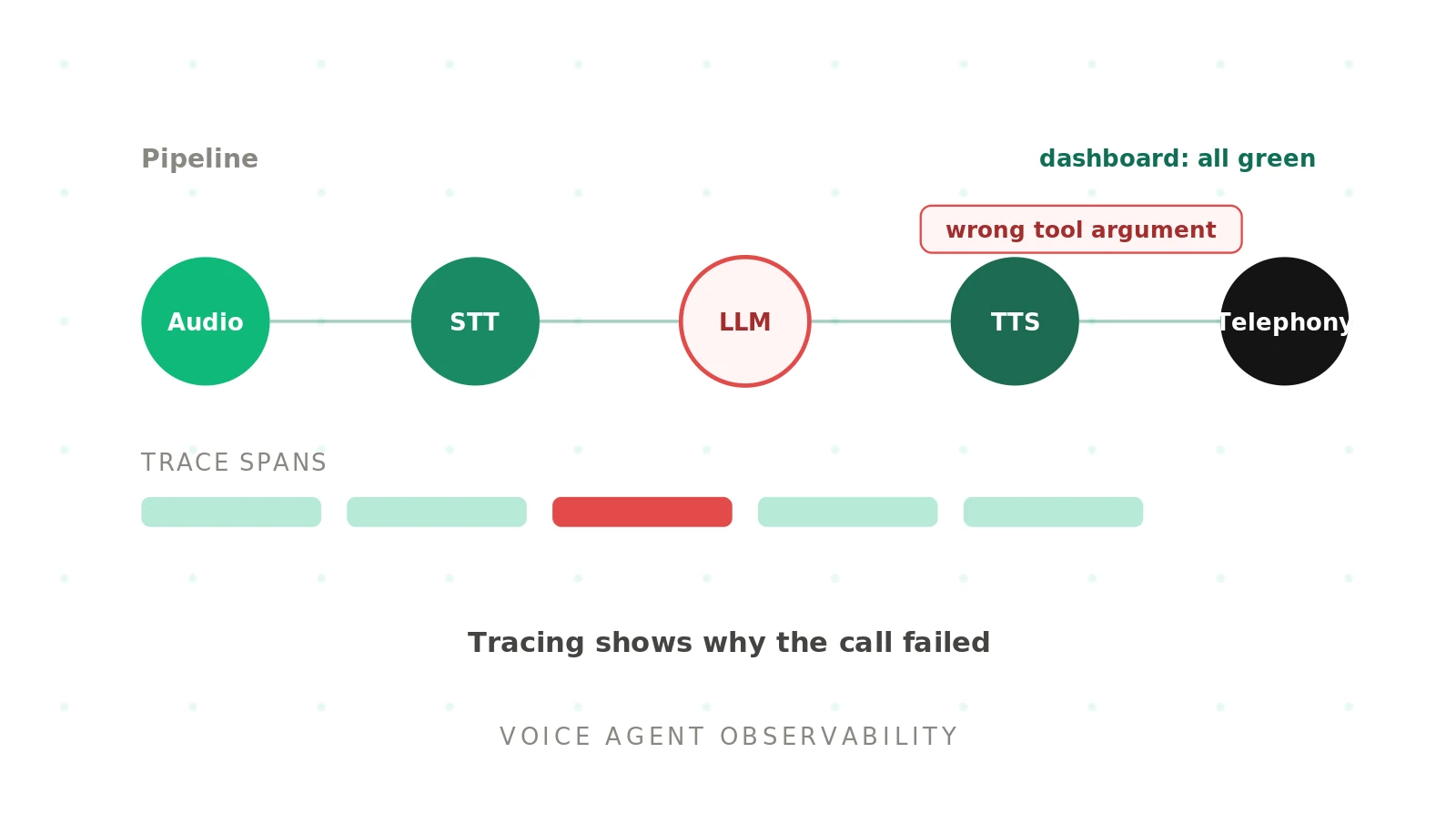
Voice agent observability: how to monitor voice agents in production
Voice agent observability means monitoring live agents across audio, latency, and behaviour. Learn what to track and how it differs from testing.
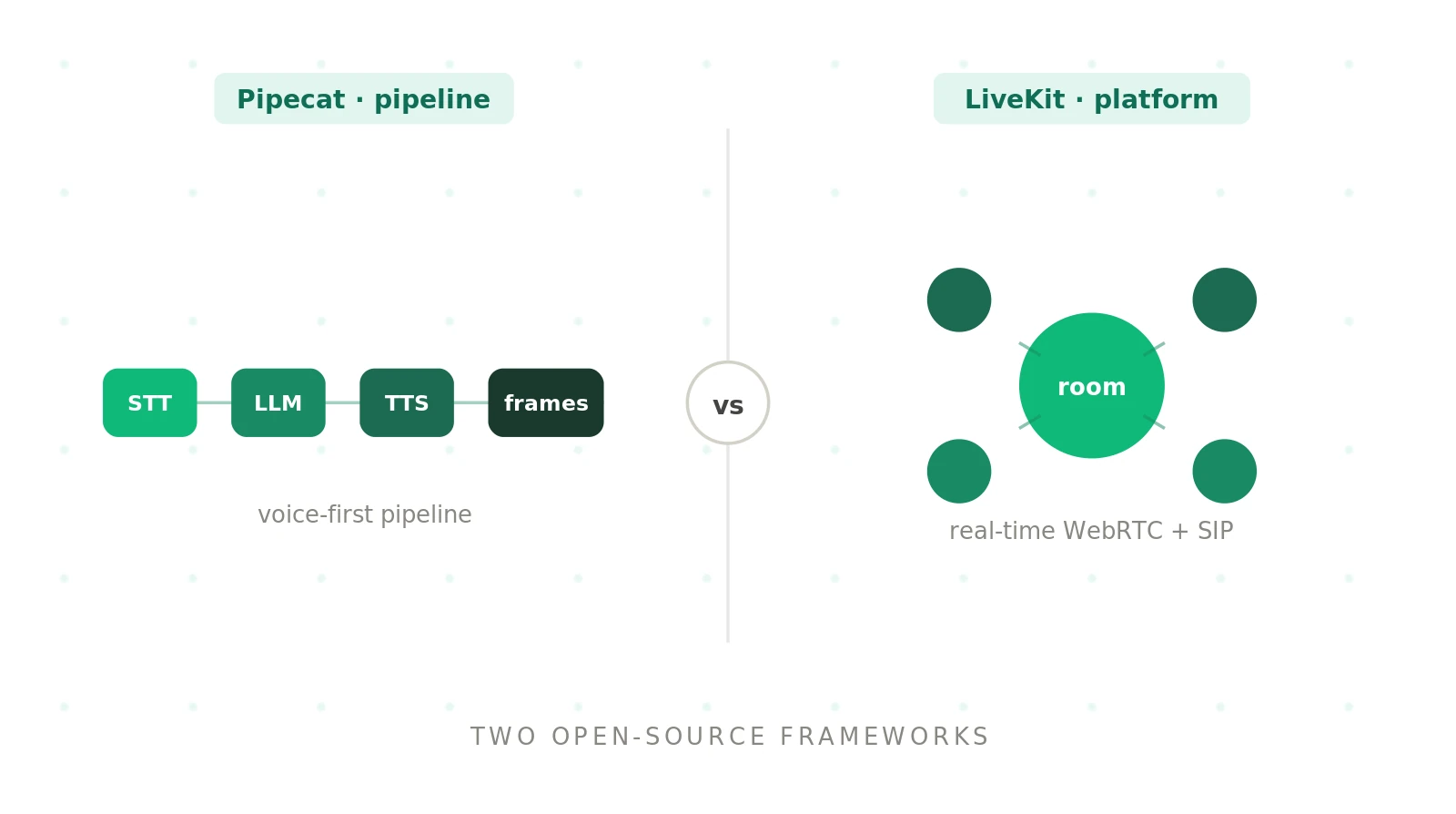
Pipecat vs LiveKit: which voice agent framework should you choose?
Pipecat vs LiveKit compared on architecture, turn detection, latency, telephony, and pricing. A clear framework for choosing a voice agent stack in 2026.
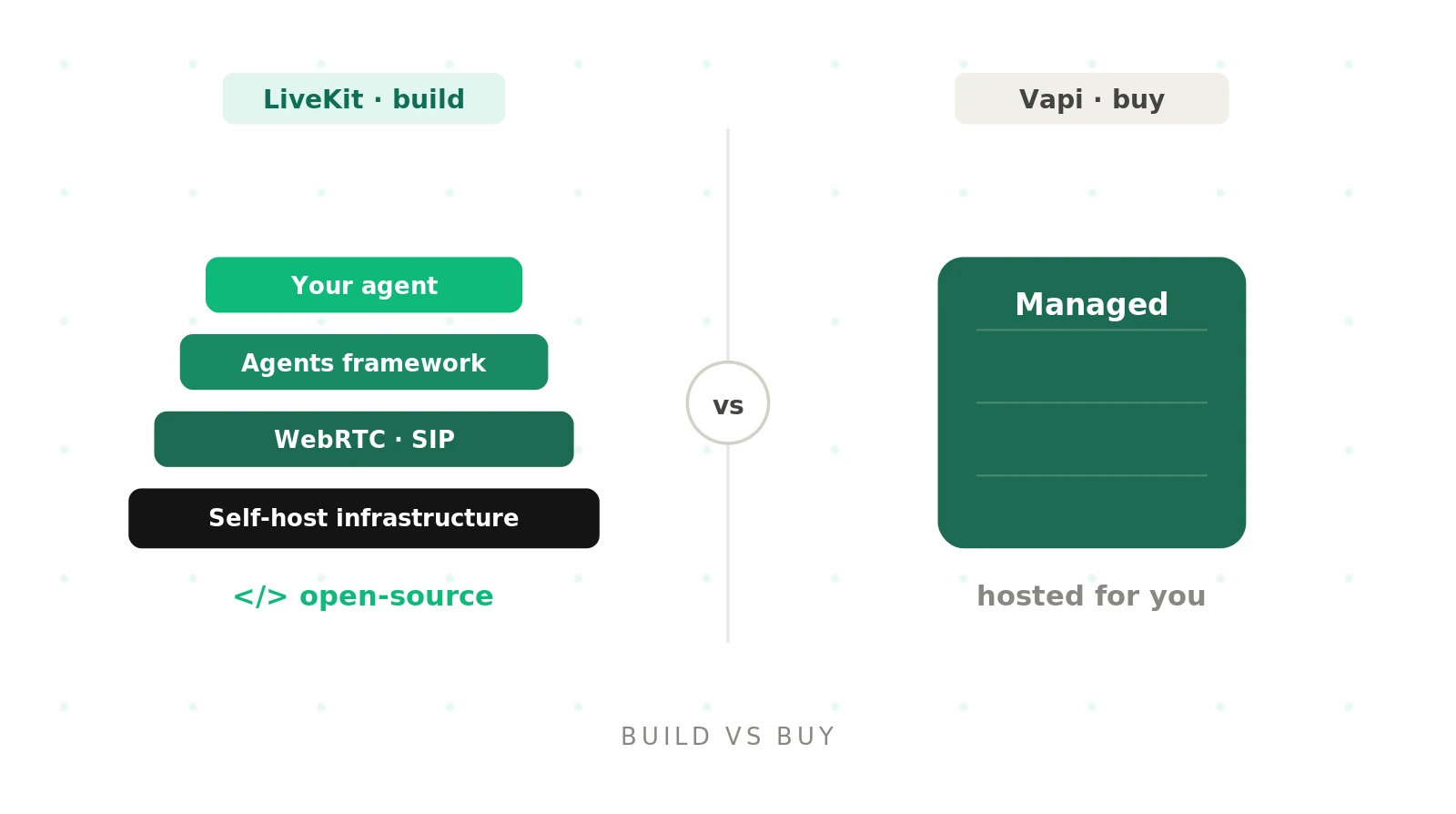
LiveKit vs Vapi: which voice agent platform should you choose?
LiveKit vs Vapi compared on architecture, pricing, latency, telephony, and scale. A clear framework for choosing a voice agent platform in 2026.
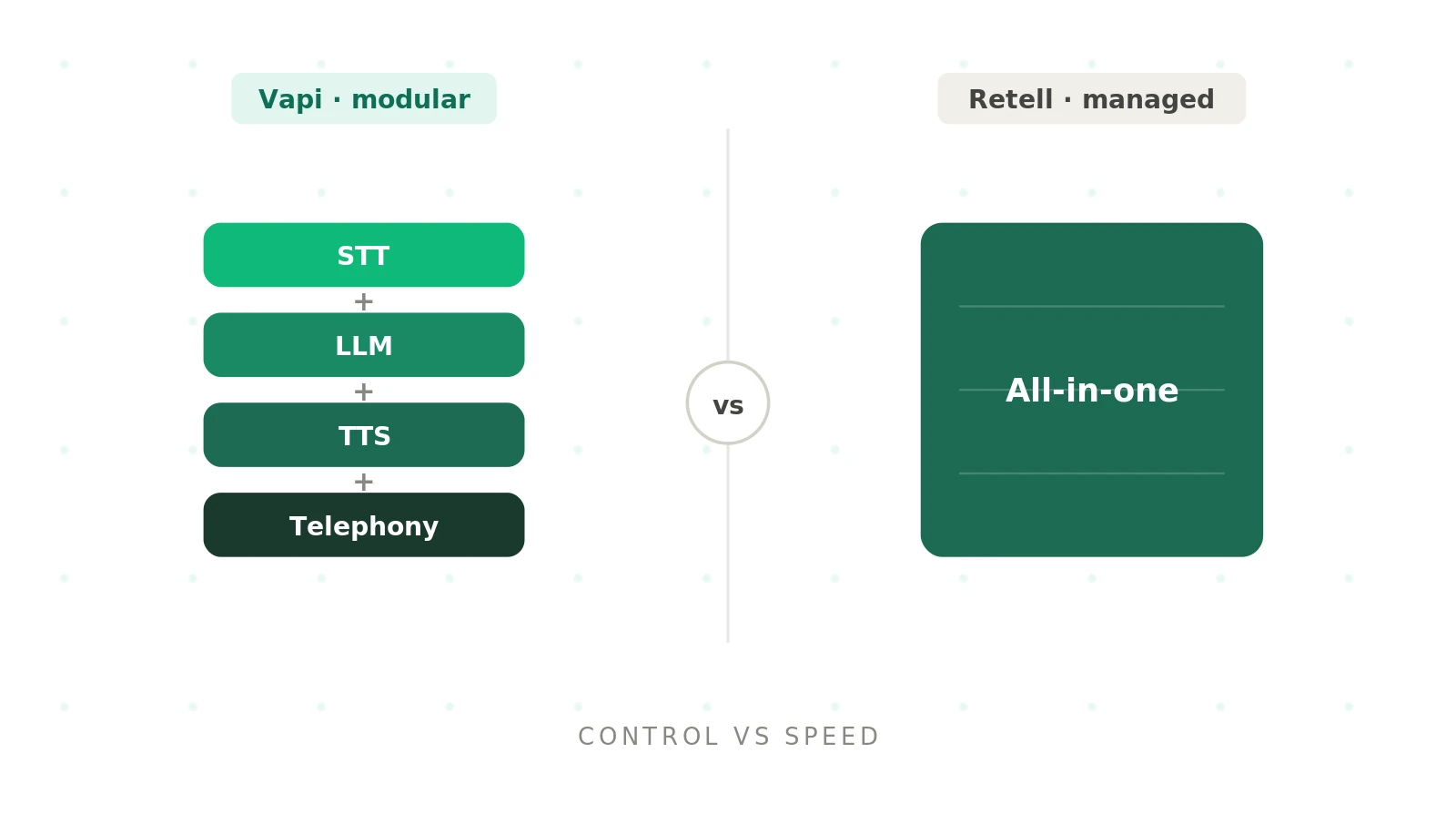
Vapi vs Retell: which voice agent platform should you choose?
Vapi vs Retell compared on architecture, pricing, latency, telephony, and scale. A clear decision framework for choosing a voice agent platform in 2026.